Become a BIM Software Developer and Enter a Brand-New Market Full of Opportunities. Sign up for the waiting list.

Become a BIM Software Developer and Enter a Brand-New Market Full of Opportunities. Sign up for the waiting list.

Become a BIM Software Developer and Enter a Brand-New Market Full of Opportunities. Sign up for the waiting list.

Fragments: the open and fully editable BIM format for today.

Fragments: the open and fully editable BIM format for today.

Built for performance, edition and full control over your data.

Built for performance, edition and full control over your data.

Embed Placeholder

Why the format matters

Why the format matters

Traditional BIM files are heavy and not built for real-time work.

Traditional BIM files are heavy and not built for real-time work.

Fragments gives you an open, schema-agnostic foundation you can stream, edit natively, and scale — without vendor lock-in.

Fragments gives you an open, schema-agnostic foundation you can stream, edit natively, and scale — without vendor lock-in.

What Fragments is

What Fragments is

Open format (MIT)

Adopt, extend, and ship freely.

Schema-agnostic

Store any data model (including IFC).

Editable by design

Properties and geometry (implicit & explicit).

Performance-first

Binary, lightweight, deduplicated; web streaming.

What Fragments fixes (vs IFC STEP)

From text to binary 

Сompact payloads, instant parsing, web streaming.

Chunked / partial loading

Open huge projects without waiting for everything.

Deduplication 

Transmit once, reference many times (great for repeated elements).

Stable IDs & deterministic structure

Reliable selection, linking, and ro

Native editability

Update data and geometry without lock-in.

Modern pipelines

Indexing, querying, and incremental updates at scale.

What Fragments fixes (vs IFC STEP)

From text to binary 

Сompact payloads, instant parsing, web streaming.

Chunked / partial loading

Open huge projects without waiting for everything.

Deduplication 

Transmit once, reference many times (great for repeated elements).

Stable IDs & deterministic structure

Reliable selection, linking, and ro

Native editability

Update data and geometry without lock-in.

Modern pipelines

Indexing, querying, and incremental updates at scale.

Why it’s fast and reliable

Why it’s fast and reliable

Binary & compact

Optimized for web-scale performance and small payloads.

Deduplicated geometry & data

Transmit once, reference many times.

Streamable, chunked loading

Open huge models without waiting for everything.

GPU-friendly structure

Organized for efficient rendering pipelines.

Versioned open schema

Clear evolution path with predictable compatibility.

Explicit property mappings

Consistent, stable data you can query and track.

Deterministic structure & IDs

Reliable references for selections and links.

Built for validation & longevity

An open format you can verify and archive.

Beyond IFC: a schema-agnostic backbone

Beyond IFC: a schema-agnostic backbone

Store IFC inside Fragments to keep semantics and gain performance.
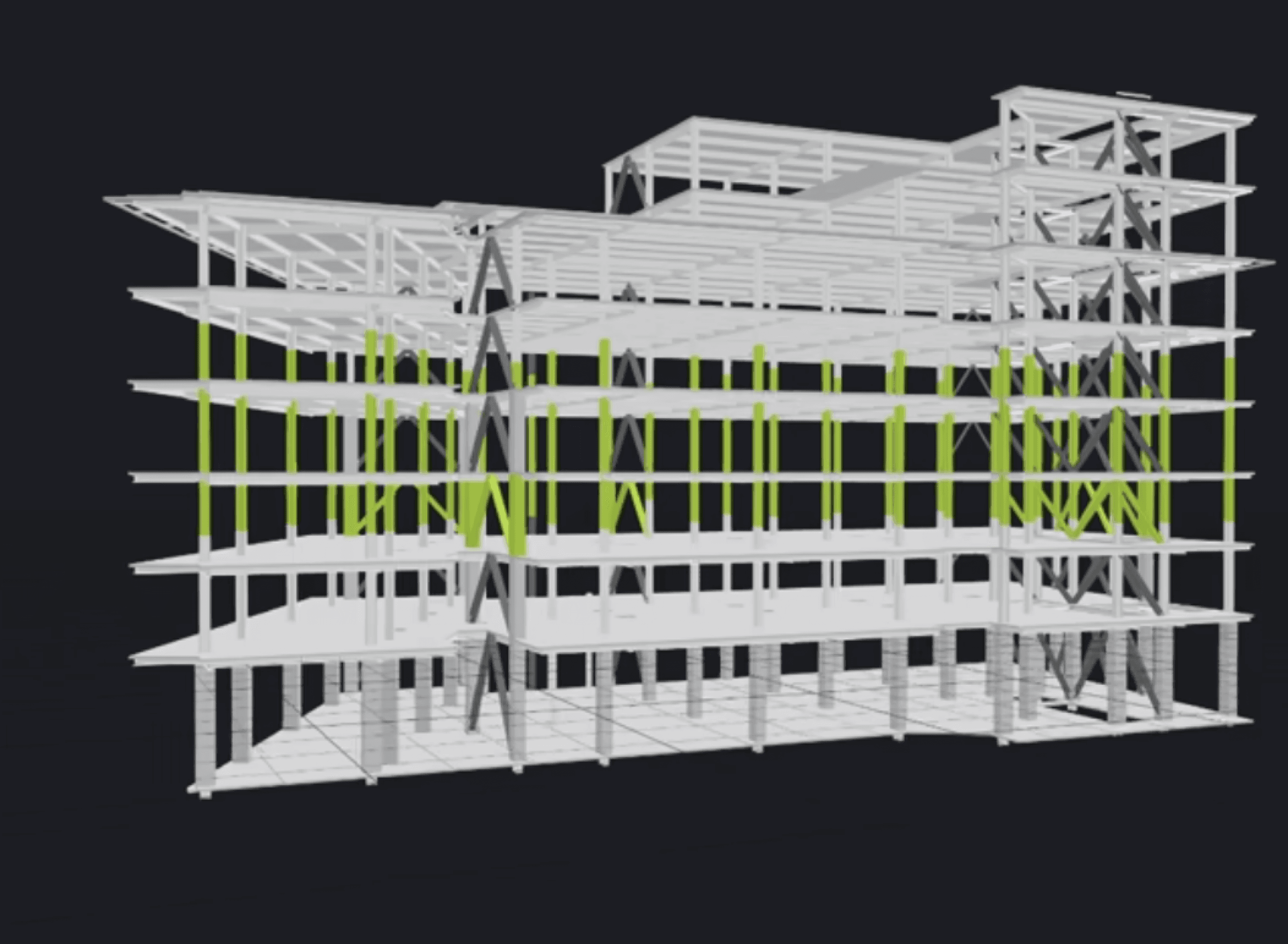
Or export Fragments directly from your app — keep your own schema (no forced translation).

Map properties cleanly across viewers, services, and analysis tools.

Future-proof — kevolve your schema without breaking storage.
Use it in your apps

Use it in your apps

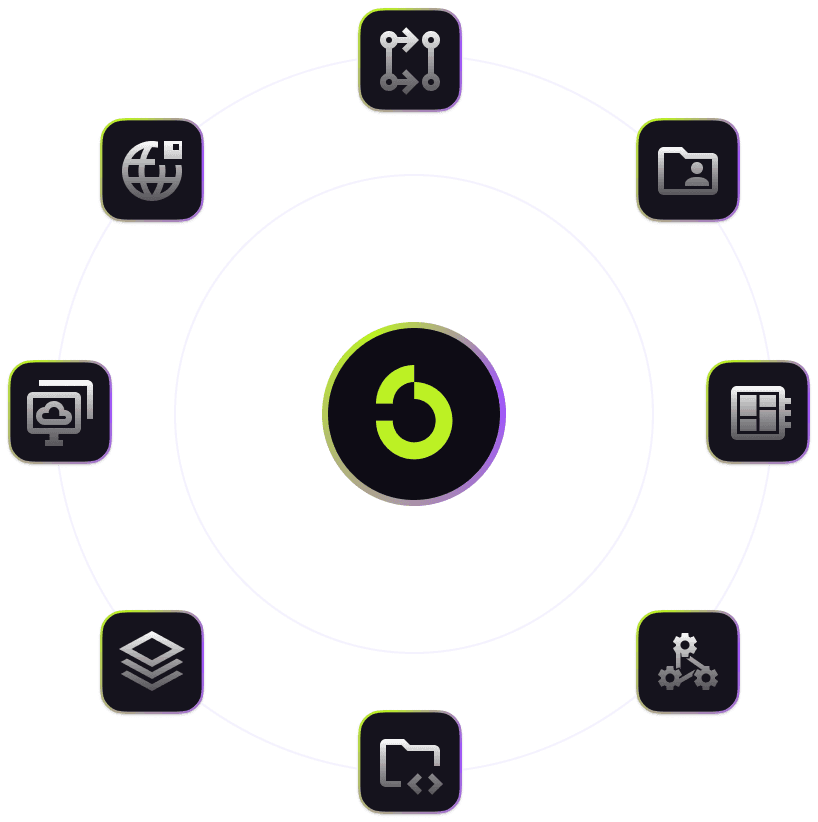
Load, render, and query Fragments with That Open Engine (100% open-source & free).


Convert IFC → Fragments in ingestion pipelines — or export Fragments directly from your app respecting its schema.


Deploy at scale with That Open Platform when you need enterprise operations (auth/SSO, access control, pipelines, monitoring, SLAs).

Examples

Examples

See how teams ship viewers, coordination tools, QA/IDS workflows, dashboards, and digital twins using Fragments as the data backbone.

See how teams ship viewers, coordination tools, QA/IDS workflows, dashboards, and digital twins using Fragments as the data backbone.

Frequently Asked Questions

Frequently Asked Questions

Is Fragments tied to IFC?

Is Fragments tied to IFC?

Is Fragments tied to IFC?

Is Fragments tied to IFC?

Is Fragments tied to IFC?

Is Fragments tied to IFC?

Can I edit geometry and data?

Can I edit geometry and data?

Can I edit geometry and data?

Can I edit geometry and data?

Can I edit geometry and data?

Can I edit geometry and data?

How does it handle large models?

How does it handle large models?

How does it handle large models?

How does it handle large models?

How does it handle large models?

How does it handle large models?

What’s the license?

What’s the license?

What’s the license?

What’s the license?

What’s the license?

What’s the license?

[Navigation]

Open Source

University

Blog

[Services]

Accelerator Program

Custom Apps Program

[Follow us]

GitHub

Community

© 2025, That Open Company

|

|

[Navigation]

Open Source

University

Blog

[Services]

Accelerator Program

Custom Apps Program

[Follow us]

GitHub

Community

© 2025, That Open Company

|

|

[Navigation]

Open Source

University

Blog

[Services]

Accelerator Program

Custom Apps Program

[Follow us]

GitHub

Community

© 2025, That Open Company

|

|

[Navigation]

Open Source

University

Blog

[Services]

Accelerator Program

Custom Apps Program

[Follow us]

GitHub

Community

© 2025, That Open Company

|

|

[Navigation]

Open Source

University

Blog

[Services]

Accelerator Program

Custom Apps Program

[Follow us]

GitHub

Community

© 2025, That Open Company

[Navigation]

Open Source

University

Blog

[Services]

Accelerator Program

Custom Apps Program

[Follow us]

GitHub

Community

© 2025, That Open Company

|

|